Best Red Light Therapy Device for Home Use
Red light therapy has quickly become one of the most powerful non invasive wellness technologies available today. Athletes, health professionals, and everyday people are now using photobiomodulation therapy at home to support recovery, circulation, skin health, and overall cellular energy.
But with hundreds of devices appearing online, many people ask the same question:
What is the best red light therapy device for home use?
In this guide we will explain how light therapy works, what to look for in a high quality system, and why many professionals choose InLight Therapy systems for clinical and home use.
Over the past six years I have used photobiomodulation therapy in clinical practice to support patients dealing with pain, circulation challenges, recovery, and overall wellness optimization.
What Is Red Light Therapy
Red light therapy, also called photobiomodulation therapy (PBMT), uses specific wavelengths of light to support cellular activity in the body.
When these wavelengths penetrate the skin, they interact with the mitochondria, the energy producing structures inside cells.
This interaction may support:
• increased cellular energy production
• improved circulation
• tissue recovery
• reduced stiffness and discomfort
InLight Therapy systems emit light within the visible to infrared spectrum and use non ionizing radiation, which is considered safe for therapeutic use.
These devices are legally marketed as Class II medical devices intended to temporarily relieve minor pain, stiffness, and muscle spasms, and to temporarily increase local blood circulation.
Benefits of Light Therapy
Clinical and field use has associated light therapy with a wide range of wellness benefits.
Common uses include:
• pain and injury recovery
• muscle relaxation
• circulation support
• joint stiffness relief
• skin rejuvenation
• collagen production support
• athletic recovery
• stress reduction
Research continues to explore its applications in neurological health, inflammation, tissue repair, and skin health.
How Photobiomodulation Works
Light therapy works by delivering specific wavelengths of light energy into tissues.
Different wavelengths penetrate the body at different depths.
Common wavelengths used in professional systems include:
Red light — 630 nm
Near infrared light — 850 nm (invisible to the human eye)
Blue light — 470 nm
Green light — 570 nm
Red and near infrared wavelengths are commonly used for deeper tissue support because they penetrate further into the body.
These wavelengths interact with cellular mitochondria and may help stimulate ATP production, which is the primary energy molecule used by cells.
Why Pulsed Light Therapy Matters
Not all light therapy devices are the same.
One important difference between basic devices and more advanced systems is pulsed light technology.
Pulsing light delivers energy in rhythmic intervals rather than continuously.
This approach may help improve cellular absorption of light energy while reducing the chance of cellular saturation.
Advanced systems often combine pulsed light with therapeutic frequency programs.
For example, the InLight 6 Port Pro includes preset programs that cycle through specific therapeutic frequencies designed to support different physiological responses.
Advanced Frequency Programs
The InLight system includes several automated frequency programs.
Physical Mode
This mode cycles through Nogier frequencies 1 through 7 and is the most commonly used program for working with physical conditions.
Emotional Mode
This mode cycles through frequencies associated with Solfeggio tones and is often used during relaxation sessions, meditation, and sleep support.
Anti Aging Mode
This program combines selected Nogier frequencies with Solfeggio tones and is often used for skin rejuvenation and overall wellness support.
Manual frequency settings are also available ranging from 73 Hz to 4698 Hz, allowing targeted applications depending on the treatment goal.
Light Therapy Pad Design
Many home light therapy devices use rigid panels that must be positioned a certain distance from the body.
InLight systems use soft flexible neoprene pads that wrap comfortably around treatment areas.
This design allows the light to stay in close contact with the body, which may improve energy delivery and treatment comfort.
Pads are also designed for easy cleaning and durability in professional environments.
Understanding Light Power Output
The effectiveness of a light therapy system is influenced by both power output and energy density (dose) delivered during a treatment session.
Because the pads used in the InLight system vary in size and LED configuration, it is more accurate to evaluate performance based on pad specific output and energy delivered per session, rather than a single power number.
For example:
The local pad contains
72 near infrared LEDs and 60 red LEDs for a total output of approximately 5,484 milliwatts.
The larger body pad contains
144 near infrared LEDs and 120 red LEDs producing approximately 10,968 milliwatts of total output.
The Painbuster pad delivers approximately 3,800 milliwatts of output.
During a standard 20 minute treatment session, the manufacturer lists the following approximate energy densities:
Local pad — 44.2 J/cm²
Body pad — 42.2 J/cm²
Eyemask — 5.4 J/cm²
Longer sessions can be achieved by repeating the 20 minute cycle for 40 or 60 minute treatments, depending on the application.
These levels of energy delivery are significantly higher than many small consumer handheld devices and are designed to provide meaningful light exposure during each session. Power-output Power-output
Best Red Light Therapy Devices for Home Use
Below are three professional grade systems designed for home and clinical use.
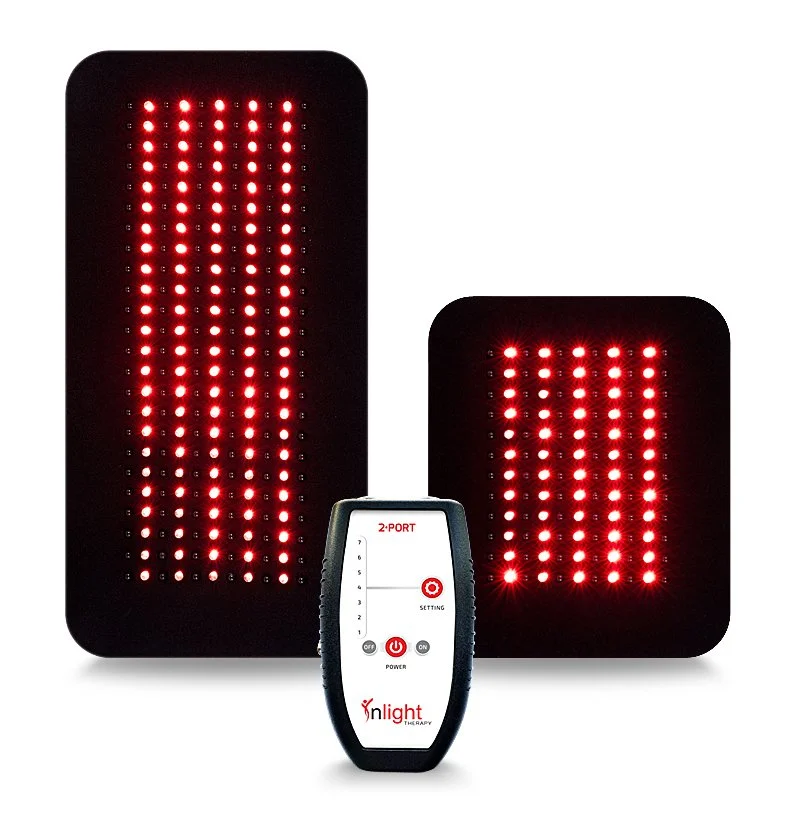
2 Port Pain System
Best for
Targeted pain relief
Travel or portability
Smaller treatment areas
Features
Compact controller
Two light therapy ports
Flexible wrap pads
Red and near infrared wavelengths
This system is ideal for people looking for a powerful entry level system for targeted areas such as:
Knee pain
Neck pain
Shoulder injuries
Lower back tension
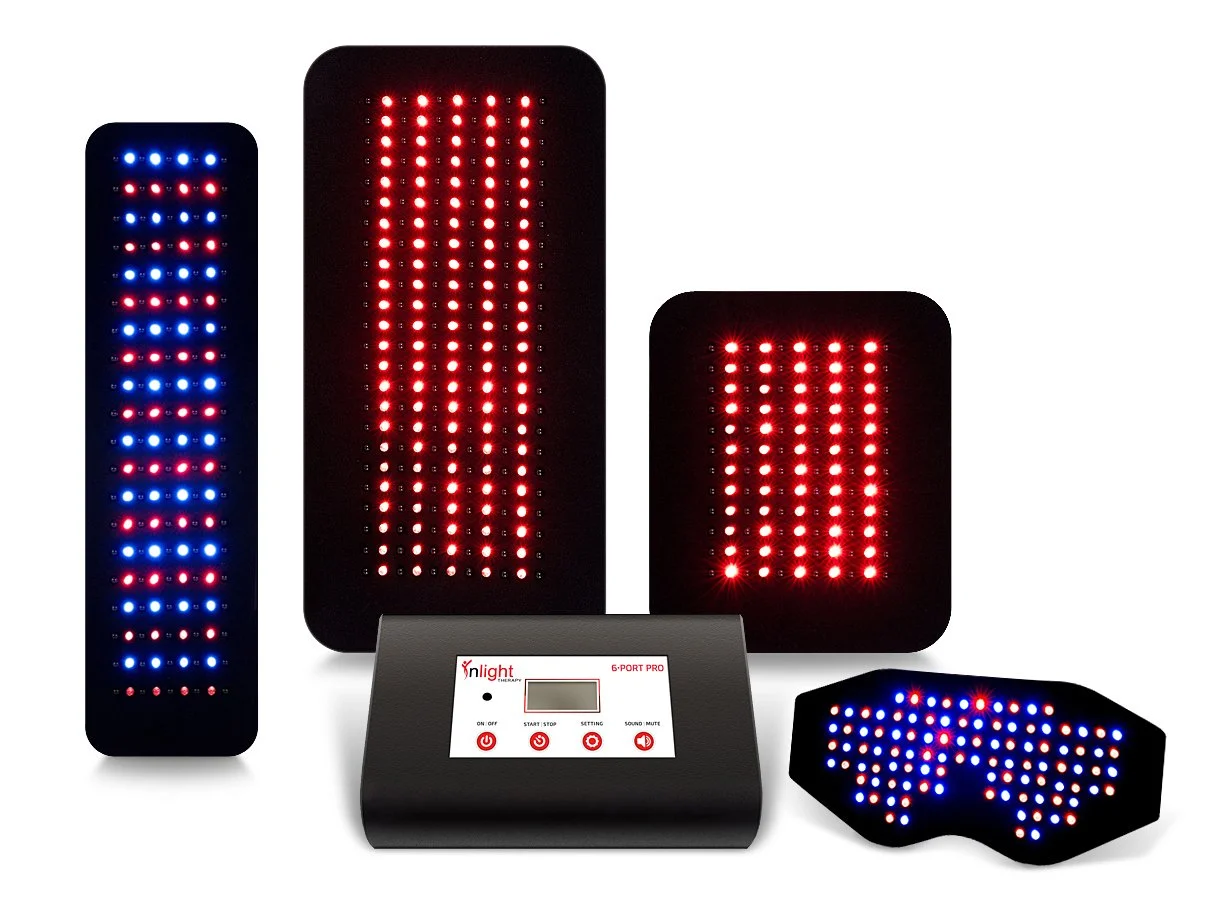
6 Port Pro Pain System
Best for:
Multiple body areas
Recovery and performance
Advanced frequency programs
Features:
Six therapy ports
Automated pulsing programs
Physical emotional and anti aging settings
Multiple pad combinations
This system is one of the most versatile options for home use and allows multiple pads to run simultaneously.
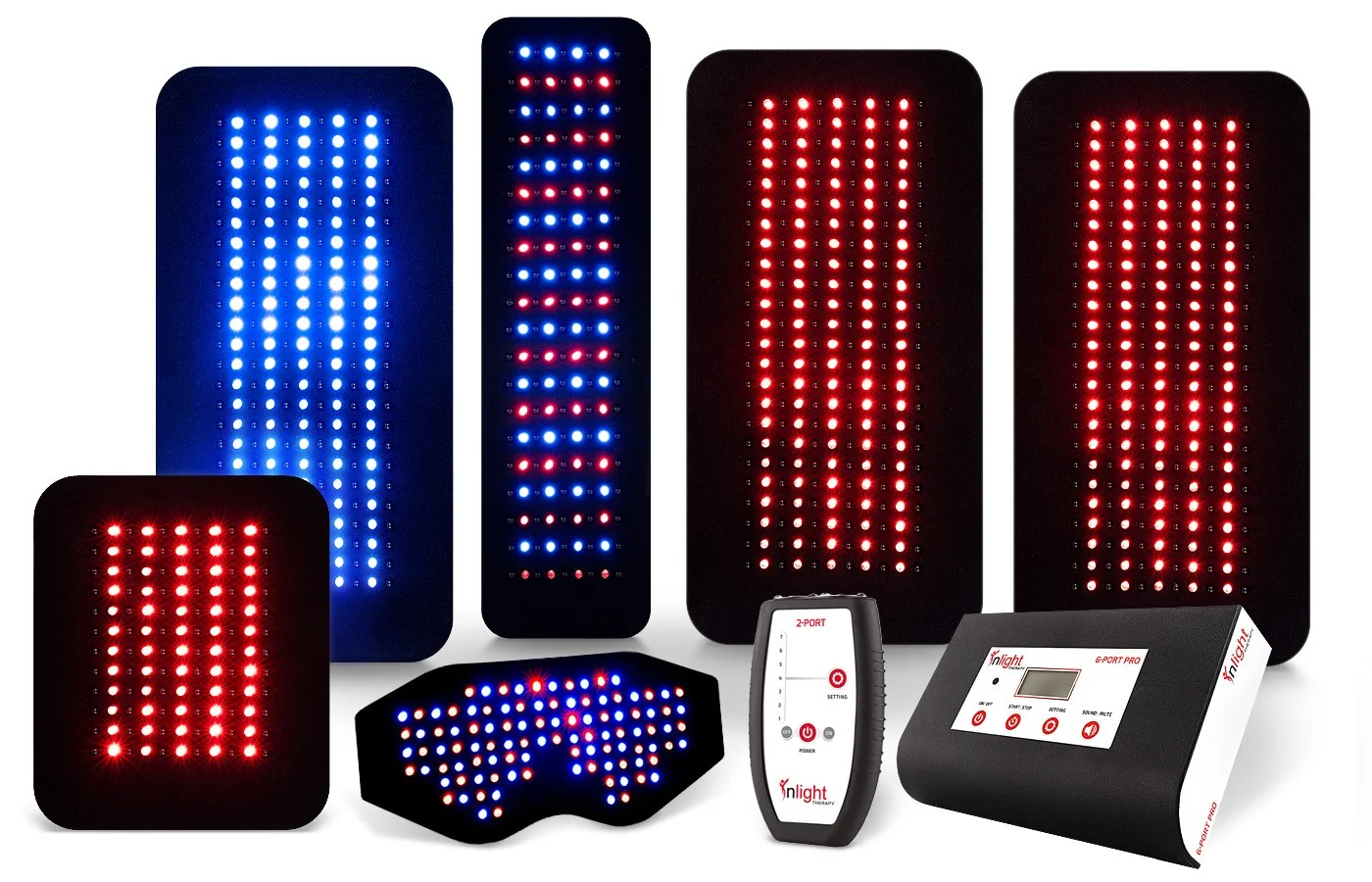
Platinum System
Best for:
Full body therapy
Professional level treatments
Maximum flexibility
Features:
Multiple controllers
Expanded pad configurations
Highest treatment capacity
This system is commonly used by professionals and individuals seeking the most comprehensive home therapy system.
Which Light Therapy System Is Right for You
Choosing the right system depends on your goals.
If you want a compact system for occasional targeted use the 2 Port Pain System is an excellent starting point.
If you want the flexibility to treat multiple areas or support recovery the 6 Port Pro offers more capability.
If you want the most powerful system with full body coverage the Platinum Plus system provides the highest level of versatility.
You can explore all available systems here:
Frequently Asked Questions
Why do some near infrared LEDs look like they are not on
Near infrared light operates outside the visible range of human vision. This means the LEDs may appear dim or invisible even when functioning properly.
How often should light therapy be used
Most people use light therapy several times per week depending on their goals and treatment area.
Is red light therapy safe
Light therapy devices emit non ionizing light energy and are widely used in wellness and clinical environments.